
The Importance of Exercise for Physical and Mental Health
Introduction
Exercise is an important part of a healthy lifestyle. It helps keep the body active, supports physical strength, and can also improve mental well-being. In today’s busy life, many people spend several hours sitting, studying, working, travelling, or using phones and computers. Because of this, regular physical activity has become more important than ever.
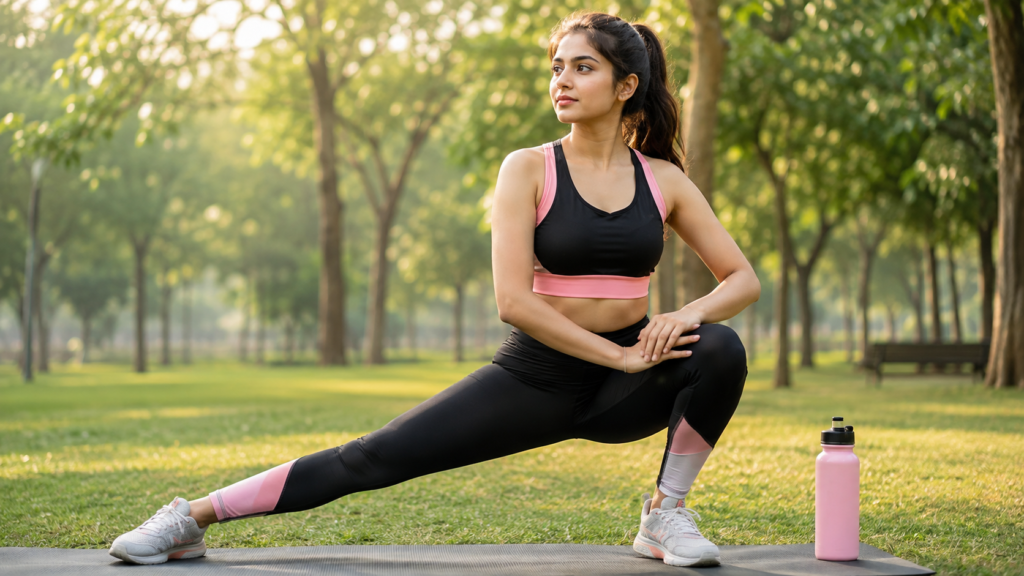
Exercise does not mean that you have to spend hours in a gym. Walking, jogging, cycling, yoga, dancing, swimming, stretching, and simple home workouts can all be part of an active lifestyle.
What Is Exercise?
Exercise is any planned physical activity that makes your body move and work. Different exercises provide different benefits.
Some common types of exercise include:
- Walking
- Running
- Cycling
- Swimming
- Yoga
- Dancing
- Strength training
- Stretching
- Bodyweight exercises
- Outdoor sports
You do not have to choose only one type of exercise. A balanced routine can include different activities depending on your goals and fitness level.
For beginners, starting with simple activities such as walking or light stretching can be a good way to become more active.
Benefits of Exercise for Physical Health
1. Supports Heart Health
Regular physical activity can help support cardiovascular fitness. Activities such as brisk walking, cycling, swimming, and jogging make the heart work harder and can improve overall fitness.
Exercise can also be part of a healthy lifestyle that supports healthy blood pressure and cholesterol levels.
You do not need to start with intense workouts. Beginners can start with moderate activities and gradually increase their activity level.

2. Helps Strengthen Muscles
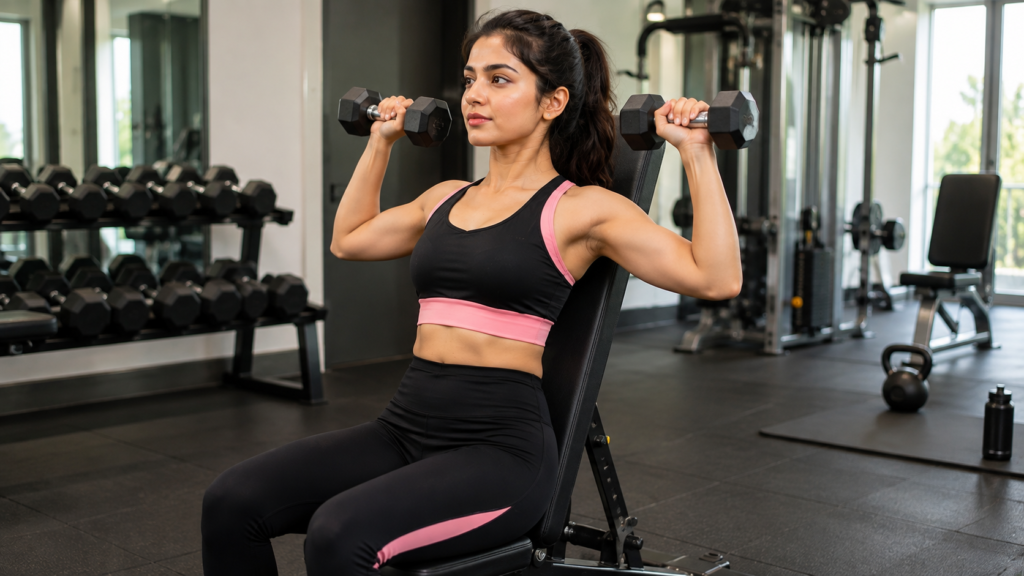
Strength exercises help the body maintain and build muscle strength. Strong muscles can make everyday activities easier, such as climbing stairs, carrying shopping bags, lifting objects, or getting up from a chair.
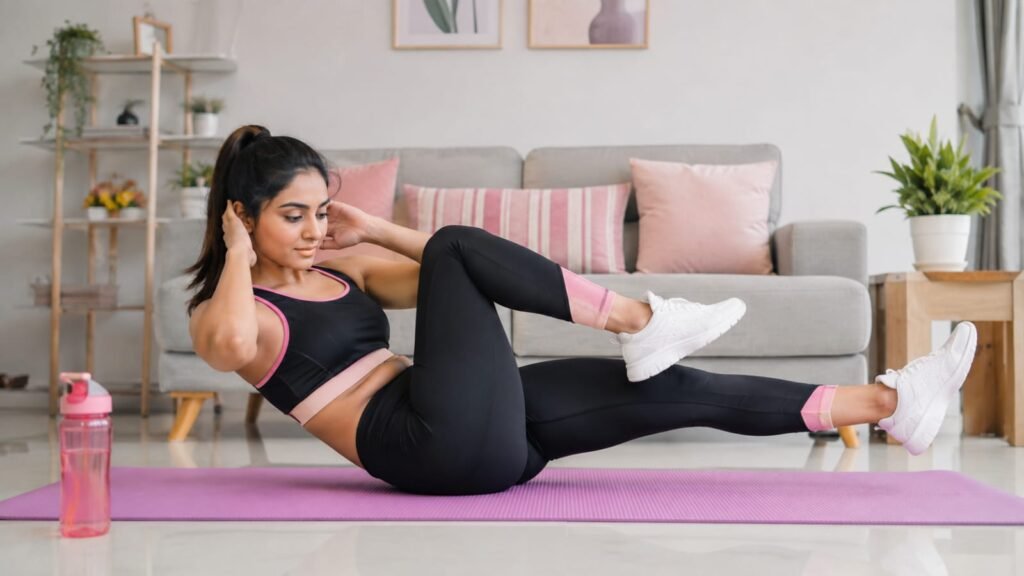
Strength training does not always require heavy weights. Bodyweight exercises such as squats, lunges, push-ups, and modified exercises can also be useful.
However, beginners should learn correct exercise techniques and increase difficulty gradually.
3. Supports Bone Health
Weight-bearing activities such as walking, dancing, and appropriate resistance exercises can support bone health.
Strong bones are important for movement and everyday activities. Maintaining physical activity throughout life can be an important part of taking care of your musculoskeletal health.
A balanced diet and adequate nutrition also play an important role in overall bone health.
4. Helps With Healthy Weight Management
Exercise can support healthy weight management by increasing energy expenditure and improving physical fitness.
However, exercise should not be considered only as a method of losing weight. Its benefits go far beyond body weight.
Regular movement can support strength, endurance, mobility, cardiovascular health, and mental well-being.
A healthy approach focuses on sustainable habits rather than extreme workouts or restrictive diets.
5. Improves Energy and Physical Fitness
It may seem surprising, but regular movement can help people feel more energetic.
When you remain inactive for long periods, you may feel tired or sluggish. Regular physical activity can improve fitness and make everyday activities feel easier.
Even a short walk or stretching session can be a simple way to introduce more movement into your day.
Benefits of Exercise for Mental Health
Exercise is not only good for your body. It can also support your mind.
6. Helps Manage Stress
Daily life can bring stress from work, studies, relationships, responsibilities, and other situations.
Exercise can provide a healthy way to take a break and release physical tension. Walking outdoors, stretching, yoga, cycling, or doing a workout can help you shift your attention away from daily worries.
Spending time outdoors while exercising can also give you an opportunity to enjoy fresh air and a change of environment.

7. Supports a Better Mood
Physical activity can influence processes in the brain that are associated with mood and emotional well-being.
Many people feel more relaxed or positive after completing a workout or going for a walk.
You do not have to perform a difficult workout. Activities that you enjoy, such as dancing, playing sports, walking with friends, or cycling, can make physical activity more enjoyable.
When you enjoy an activity, you may also find it easier to make exercise a regular habit.
8. Can Support Better Sleep
Regular physical activity can be part of a healthy sleep routine.
Exercise during the day may help your body feel ready for rest at night. Good sleep is also important for physical recovery, energy, concentration, and mood.
A healthy lifestyle should therefore include both regular movement and sufficient quality sleep.
9. Can Improve Confidence
Exercise can help people feel stronger and more confident.
Small achievements can make a difference. For example, you may start by walking for 10 minutes and gradually increase your walking time. You may also begin with a few simple strength exercises and slowly improve your ability.
These small improvements can create a sense of achievement and encourage you to continue.
Remember that fitness is a personal journey. You do not need to compare your progress with anyone else.
Exercise and Brain Health
Physical activity can also support brain health.
Regular movement may help support concentration, memory, and overall cognitive well-being. This can be especially useful for students and people who spend many hours working at a desk.
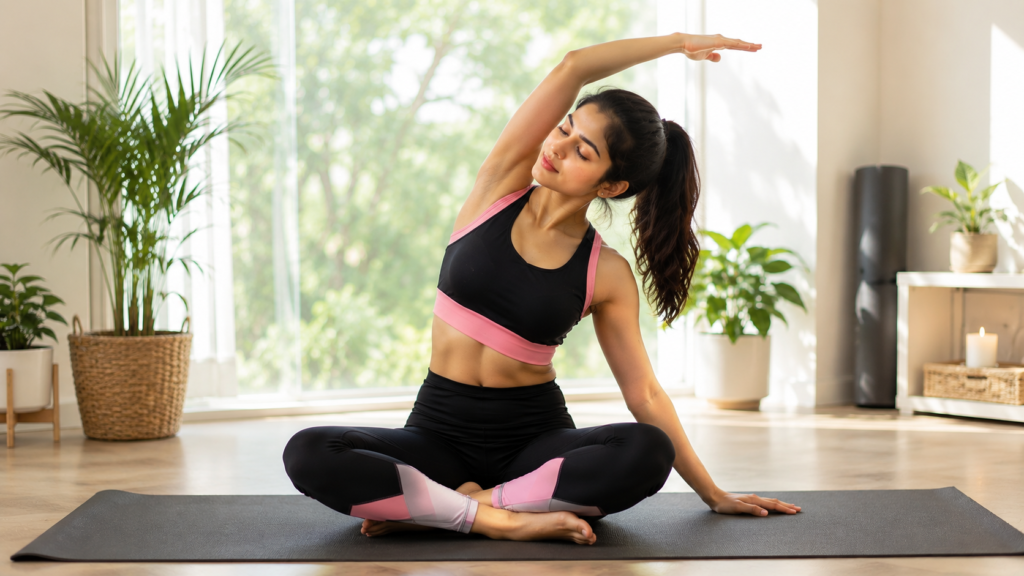
Instead of sitting continuously for several hours, try taking short movement breaks. Stand up, walk around, stretch, or perform a few simple movements.
These small changes can help make your day more active.
How Much Exercise Should You Do?
The right amount of exercise can depend on your age, fitness level, health, and personal circumstances.
For adults, public-health guidelines commonly recommend regular aerobic physical activity each week along with muscle-strengthening activities on at least two days.
However, beginners do not need to achieve their full target immediately.
Start with an amount that feels manageable and gradually increase your activity.
For example, you could begin with:
- 10–15 minutes of walking
- 5–10 minutes of stretching
- Light yoga
- Simple bodyweight exercises
- Short active breaks during the day
As your fitness improves, you can slowly increase the duration or intensity.
The goal is not perfection. The goal is consistency.
Simple Exercise Routine for Beginners
A simple beginner routine could include:
Morning
Start your day with 5–10 minutes of gentle stretching or mobility exercises.
During the Day
Take short walking breaks if you have to sit for long periods.
Evening
Spend 20–30 minutes doing an activity you enjoy, such as walking, cycling, yoga, dancing, or a beginner workout.
Weekly
Include appropriate strength exercises on some days and give your body enough time to recover.
The best routine is one that fits naturally into your lifestyle.
Common Exercise Mistakes to Avoid
Starting Too Quickly
One of the most common mistakes is doing too much too soon.
If you are new to exercise, start gradually. Increasing exercise too quickly can lead to excessive soreness, fatigue, or injury.
Ignoring Warm-Up
A gentle warm-up can prepare your body for physical activity.
Spend a few minutes doing light movements before a more demanding workout.
Forgetting Recovery
Rest is also part of fitness. Your body needs time to recover after challenging physical activity.
Comparing Yourself With Others
Everyone has a different starting point. Focus on your own progress instead of comparing yourself with someone else’s fitness journey.
Only Focusing on Weight Loss
Exercise provides many benefits beyond weight management. Focus on becoming stronger, healthier, more active, and more confident.
How to Stay Consistent With Exercise
Building a fitness habit takes time.
Here are some simple ways to stay consistent:
- Choose exercises that you enjoy.
- Set realistic goals.
- Start with small workouts.
- Schedule exercise into your day.
- Keep your workout clothes ready.
- Exercise with a friend or family member.
- Track your progress.
- Try different activities to avoid boredom.
- Give your body enough recovery time.
- Do not give up because you missed one workout.
If you miss a workout, simply continue with your next planned session.
One missed workout does not mean you have failed.
Exercise as Part of a Healthy Lifestyle
Exercise works best when it is combined with other healthy habits.
A balanced lifestyle can include:
- Regular physical activity
- Nutritious and balanced food
- Adequate sleep
- Good hydration
- Stress management
- Rest and recovery
- Healthy daily routines
You do not need to change everything at once.
Start with one small habit and gradually build from there.
Summary
Exercise is an important part of maintaining physical and mental well-being. Regular physical activity can support heart health, muscle strength, bone health, flexibility, energy, fitness, and healthy weight management.
Exercise can also support mental well-being by helping manage stress, supporting mood, improving confidence, and contributing to healthy sleep and brain function.
You do not need expensive equipment or a gym membership to become active. Walking, yoga, cycling, dancing, stretching, sports, and home workouts can all be useful forms of physical activity.
The most important thing is to choose an activity that suits you and stay consistent.
Key Pointers
1. Stay Active: Try to include movement in your daily routine.
2. Start Slowly: If you are a beginner, begin with manageable activities.
3. Choose What You Enjoy: Exercise is easier to maintain when it is enjoyable.
4. Include Different Exercises: Combine aerobic activity, strength, flexibility, and balance activities where appropriate.
5. Take Care of Your Mental Health: Exercise can be a useful part of stress management and overall well-being.
6. Give Yourself Time: Fitness results do not happen overnight.
7. Rest Properly: Recovery is an important part of a healthy fitness routine.
8. Eat Well: Support your activity with a balanced and nutritious diet.
9. Sleep Well: Good sleep supports recovery and daily energy.
10. Stay Consistent: Small efforts repeated regularly can create meaningful long-term habits.
Conclusion
Exercise is much more than a way to change your appearance. It is a healthy habit that can support your body, mind, confidence, energy, and overall quality of life.
You do not need to become extremely fit in one day. Start with a simple activity that feels comfortable for you. Walk, stretch, practise yoga, cycle, dance, or follow a beginner-friendly workout.
What matters most is taking the first step and continuing.
At Fit with Ria, the goal is to encourage simple, realistic, and sustainable approaches to health and fitness. Your fitness journey should fit your lifestyle and personal goals.
Start small. Stay consistent. Keep moving.

Health Disclaimer
This article is provided for general educational and informational purposes. It is not a substitute for individualized medical advice, diagnosis, or treatment. If you have a medical condition, injury, or concerns about starting a new exercise program, speak with an appropriately qualified healthcare professional before beginning.